













Best Laser Cutter for Small Business: The Complete Australian Guide for Gift Shops & Etsy Sellers
Are you ready to add laser cutting to your Australian small business? Whether you are running a gift shop in the Rocks, scaling an Etsy store from your garage in Perth, or launching a boutique brand in Melbourne, choosing the right equipment is your most critical business decision.

In Australia, "distance tax" and shipping costs are real. Making the wrong choice could cost you thousands in import duties, unsupported hardware, and lost revenue. This guide cuts through the noise to show you exactly how to choose a machine that makes money in the Australian landscape.
Why the Right Laser Cutter Matters for Your AU Business
Buying a laser for business is fundamentally different from a hobby purchase. In the Australian market, you need:
-
Reliability: Technical support that operates in AEST/AWST, not just US time zones.
-
Speed: Higher production to offset higher Australian labour and postage costs.
-
Compliance: Equipment that meets AS/NZS safety standards and electrical requirements (240V).

The Real Cost of the Wrong Machine:
One Sunshine Coast Etsy seller shared: "I bought a cheap import to save $2,000. It arrived with a non-compliant plug, no local support, and when the tube cracked, I waited six weeks for a replacement from overseas. I lost my entire Christmas rush—over $12,000 in sales."
Understanding Laser Cutter Types
CO₂ Lasers (The Australian All-Rounder)
Best for: Gift shops (wood signs), Etsy sellers (acrylic jewellery), and custom brands (leather goods).
-
Cuts: Timber (Jarrah, Tasmanian Oak), Acrylic (Perspex), Leather, Glass (engrave only).
-
Price Range: $3,500 – $18,000 AUD for business-quality machines.
Fiber Lasers (The Metal Specialist)
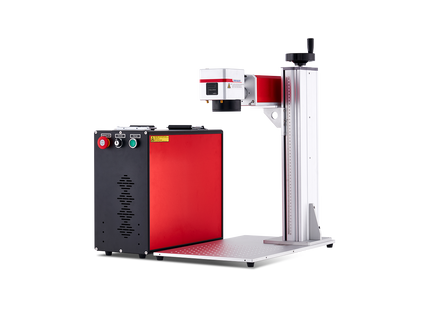
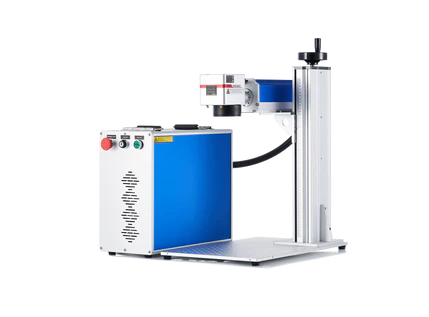
Best for: High-end jewellery, stainless steel pet tags, and industrial marking.
-
Cuts: Stainless steel, Aluminium, Brass, Gold, and Silver.
-
Price Range: $9,000 – $30,000+ AUD.
The Business Owner's Laser Cutter Checklist
1. Working Area (Bed Size)
-
Entry-level (300mm × 400mm): Too small for most Australian timber sheets.
-
Professional (500mm × 700mm): The "Sweet Spot." Fits standard Australian hobby-ply sizes.
-
Commercial (900mm × 600mm+): Necessary for large-scale wall art or batching 50+ keyrings at once.

2. Laser Power (The "Time is Money" Factor)
In Australia, where the cost of living and business is high, efficiency is key:
-
50W: Good for engraving; slow at cutting 6mm MDF.
-
60W-80W: The standard. Cuts 9mm plywood efficiently.
-
100W+: High-speed production for thick Australian hardwoods.
3. Australian Support and Parts
Crucial Question: Can you get a replacement tube in 48 hours?
-
Green Flags: Local AU warehouse, local phone support, and stocked replacement optics.
4. Software Compatibility
Ensure your machine is compatible with LightBurn. It is the industry standard in Australia, with a massive local community of "Laseristas" on Facebook to help you troubleshoot.
Best Laser Cutters by Business Type
For Australian Gift Shops: Versatility is King
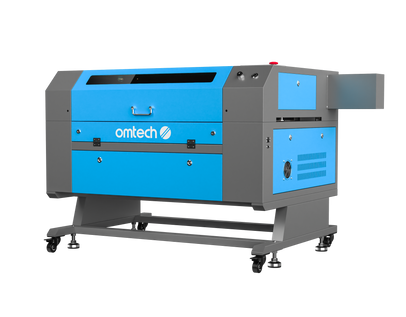
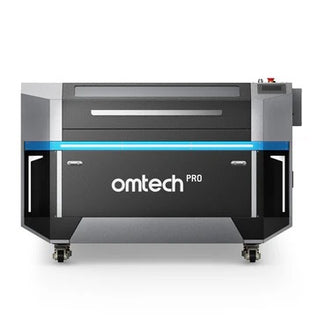
Recommended: OMTech Turbo Series (60-80W)
-
Why: Handles everything from Tasmanian Oak signage to personalised Perspex cake toppers.
-
AU Success Story: A boutique in Byron Bay added an 80W laser. Within 6 months, custom "Coastal Decor" made up 70% of their revenue, allowing them to stop stocking third-party wholesale items.
For Etsy AU Sellers: Efficiency & Profit
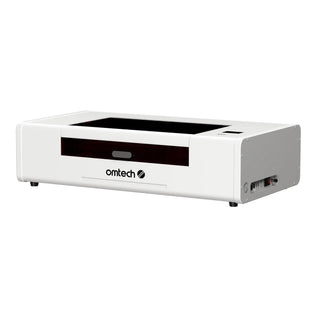
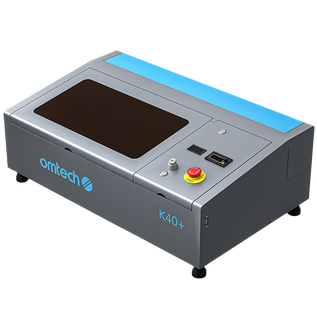
Recommended: OMTech Polar (50W) or Turbo (60W)
-
Why: Compact enough for a home studio but powerful enough for the 24/7 "Side Hustle."
-
Shipping Tip: Design products to be under 20mm thick to qualify for Australia Post Large Letter rates ($2.40 - $6.00) instead of Parcel rates ($10+).
Real Business Costs and ROI (AUD)
Startup Investment (Estimated)
| Item | Cost (AUD) |
| Laser Engraver (60W Turbo) | $6,500 |
| LightBurn Software | $95 |
| Initial Materials (Plyco/Bunnings) | $600 |
| Ventilation & Setup | $700 |
| Total Startup | ~$7,895 |
Revenue Potential (Conservative)
-
Average Order Value: $65 AUD.
-
Profit Margin: 70% (after materials and Etsy fees).
-
Break-even: approx. 175 sales.
-
Typical Timeline: Most dedicated AU sellers recover their equipment cost in 4–6 months.
What to Avoid: AU Market Red Flags
-
Non-Compliant Electrics: Avoid machines without a proper grounded AU plug or those that don't meet Australian electrical safety standards.
-
Proprietary "Cloud" Software: If the company goes bust or your NBN goes down, your business stops. Stick to offline-compatible software like LightBurn.
-
Hidden Import Fees: If buying from overseas, remember to factor in 10% GST, Customs processing fees, and port handling charges (often an extra $800-$1,500).
Your First 90 Days: The Aussie Action Plan
-
Month 1 (Foundation): Set up your workshop with proper ventilation. Register your ABN (it’s free). Source local Tasmanian Oak and Jarrah offcuts for testing.
-
Month 2 (Growth): Launch 10 listings on Etsy AU. Focus on the "Australian Seasonal Calendar" (e.g., Father’s Day in September, not June).
-
Month 3 (Optimization): Use Sendle or Australia Post Business for tracked shipping. Refine your packaging to be "Plastic-Free" (Aussie buyers love eco-friendly brands like Hero Packaging).
Success Principle for Australia:
Quality over Cheapness. The Australian market is small but wealthy. Don't compete on price with mass-produced imports; compete on craftsmanship, local materials, and hyper-personalisation.