







A step-by-step guide to making custom wedding table numbers with a laser engraver, covering file design, laser settings for wood/acrylic/cardstock, assembly, and how to scale production and pricing for selling them.
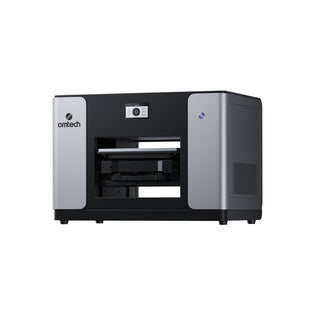
A guide to making print-and-cut DIY wood wall art with a UV flatbed printer and laser engraver, covering the step-by-step process, four beginner project ideas, material thickness and wood type selection, and recommended design/laser control software.
This guide explains line density (LPI/DPI/line interval) in laser engraving — how it works, why higher isn't always better, and how ideal settings vary by laser type (diode, CO2, fiber) and material (wood, acrylic, glass, metal). Includes benchmark charts, common mistakes, and practical tips like the defocus trick and material test matrices for dialing in clean, professional results.
This guide explains what laser cutting is and how it works, covering the accuracy you can expect and the factors that affect it, which materials cut best (and worst), the role of air assist and shielding gases, the software stack laser cutting requires (including Inkscape workflows), the industries that rely on it, and where to source laser-ready wood.
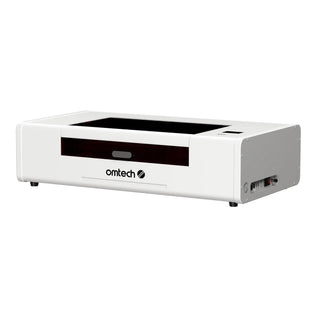
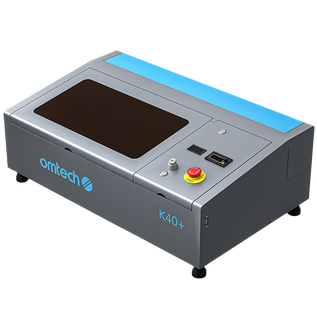
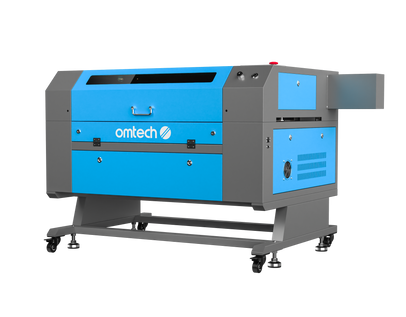
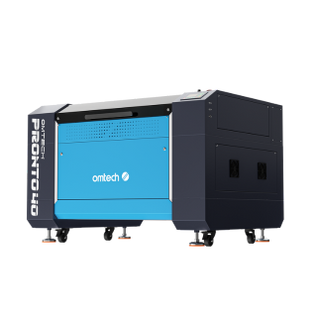
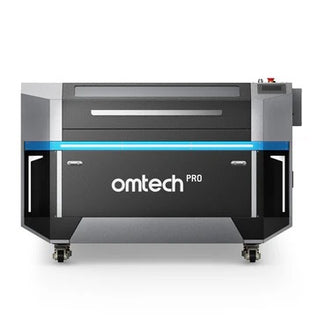
Wondering whether a built-in camera is worth paying for on a laser engraver? This guide explains how integrated cameras improve alignment, reduce material waste, speed up production, and enhance safety. You'll learn how camera systems work with LightBurn and other software, when they're most beneficial based on your materials and workflow, and the differences between desktop and freestanding OMTech laser engravers with factory-installed cameras.
This buying guide explains how to choose the best laser engraver for an Etsy business by answering four essential questions: what materials you plan to work with, whether you'll focus on cutting or engraving, your total budget, and where you'll operate the machine.
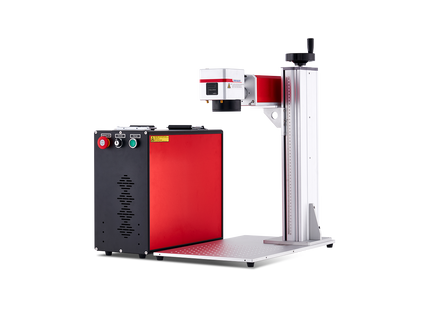
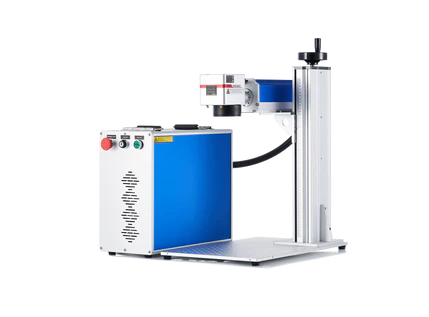
This guide walks first-time buyers through the four most important factors to consider before purchasing a laser engraver: matching the laser type (diode, CO2, fiber, or UV) to your target materials, choosing the right wattage, confirming LightBurn software compatibility, and prioritizing safety accessories like enclosures and air assist. It includes power comparison charts and an expanded look at why LightBurn compatibility matters long-term.
A detailed breakdown of practical and maximum laser engraving depths across wood, acrylic, metal, and stone, covering the physics behind why depth varies by material, deep metal engraving with fiber lasers, deep 3D relief carving with CO2 lasers, the four physical limits that cap engraving depth, and when a CNC mill is the better tool for the job.