












DIY Laser Engraved Gifts for the Modern Australian School Lab
One of the most rewarding aspects of bringing a laser cutter into an Australian school lab, Makerspace, or Industrial Technology & Design (IT&D) shop is watching students transition from "consumers" to "creators." When students use a laser to make gifts, they aren't just learning CAD (Computer-Aided Design); they are learning about personalisation, material properties, and the "gift economy."

Why Seasonal Projects Work
Seasonal content is particularly engaging for students. Designing with a recipient in mind—whether it's for Mother’s Day, Father’s Day, or the end-of-year holidays—instills pride and encourages quality control. If a project is for someone else, students naturally pay closer attention to details like sanding smoke stains, ensuring text is legible and centred, and checking that joints fit together correctly.
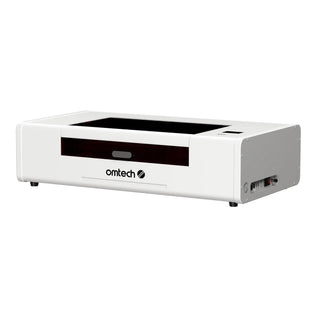
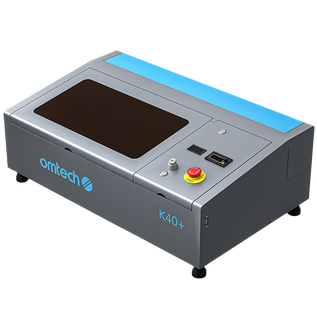
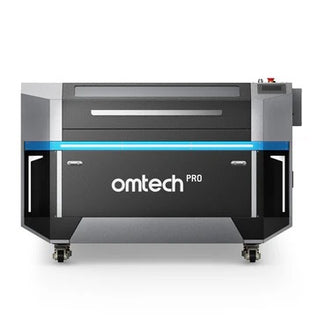
For schools looking to inspire students with meaningful, highly engaging gift projects, here are four laser-engraved gift ideas that are budget-friendly, high-impact, and perfect for the school workshop. These projects are achievable on a wide range of equipment, including common entry-level K40 laser school projects.

Top 4 Highly Engaging Student Gift Projects
| Project Idea | Best Occasion | Key Materials | Core Skills Learned |
| 1. Handwritten Recipe Cutting Board | Mother’s Day, Father’s Day, Weddings | Acacia/Bamboo/Maple Cutting Board (Untreated) | Image Tracing (CAD), Raster Engraving, Food-Safe Finishing |
| 2. Layered Wood Ornaments/Mandalas | Christmas, Diwali, Eid, Easter | 3mm Plywood (Laser-Grade) | Vector Cutting, Assembly Tolerances, Nesting (Waste Reduction) |
| 3. Personalised Slate Coasters | Teacher Appreciation, New Home, Birthdays | 10cm Slate Coasters | Raster Engraving Optimization, Image Dithering, Material Handling |
| 4. Custom Acrylic Nightlight | New Baby, Sibling Birthday, Valentines | 4mm Clear Acrylic, LED Base | Mirroring Designs, Kerf Adjustment (for press-fit), Edge Polishing |
Deep Dive into the Projects
1. "Handwritten" Recipe Cutting Boards
This is perhaps the most sentimental project a student can undertake, making it a perfect highly engaging student gift project for Mother's Day. By scanning an old family recipe—written in a grandparent’s actual handwriting—and engraving it onto a wooden board, students create a functional heirloom.
-
Teacher Tip: Ensure students use "Laser-Safe" wood that hasn't been pre-treated with toxic chemicals. This is a classic example of laser engraved gift ideas that combine modern technology with personal history.
Teacher Experience: "The recipe cutting board project completely changed how my Year 9 Industrial Tech class viewed the laser cutter. Before, they just wanted to make keychains. Now, they are sourcing old recipes and asking detailed questions about food-safe finishes. One student’s mum actually cried when she received it. It's the most impactful design project I've run in years." — Sarah T., IT&D Coordinator, QLD Secondary School
2. Layered Wood Ornaments and Mandalas
The laser’s greatest strength is its precision, which is ideal for creating intricate laser engraved gift ideas for holidays like Christmas. Students can design stacked, "3D-effect" gifts by stacking multiple layers of thin plywood.

-
Budget Hack: These can be made entirely from 3mm plywood offcuts that would otherwise be thrown away, making them excellent, low-cost K40 laser school projects.
3. Personalised Slate Coasters
Natural slate is an incredible material for laser engraving. When hit by a CO2 laser, the dark stone turns a bright, permanent white, creating a high-contrast look that feels premium. This is a versatile choice among highly engaging student gift projects suitable for any occasion.
-
The "Pro" Touch: Have students glue small felt pads to the bottom of the slate. It prevents scratching and makes the gift feel like a retail product.
Student Reflection: "Engraving on slate was really cool because it happens instantly and looks amazing. I made a set of four coasters with geometric patterns for my dad for Father's Day. It taught me that I need to 'nest' my designs better to use less material, and I learned how to adjust the laser focus for different material thicknesses." — James R., Year 10 Student
4. Custom Acrylic Nightlights
Acrylic is a classroom favourite because it is vibrant, easy to work with, and perfectly suited for highly engaging student gift projects. When edge-lit by a cheap LED base, engraved lines "glow," creating a magical effect.
-
Skill Focus: Mirroring designs, kerf adjustment (ensuring the acrylic tab fits perfectly into the LED base), and polishing edges.
Maximising Educational Value
Beyond the simple "gift" factor, teachers can leverage these projects to embed deeper educational value. When students move beyond simple cutouts and start thinking about the purpose and user of their creation, the learning deepens.
Fostering a Prototyping Mindset
The speed of a laser cutter allows for rapid iteration—the core of a true prototyping mindset. Encourage students to make mistakes early and often, testing their designs in cheap materials before using the final stock.
-
The Cardboard First Rule: Implement a rule that students must "prove" their joints, slots, and design in corrugated cardboard (from old shipping boxes) before they get access to plywood or acrylic. This not only saves material but teaches the iterative design process common in professional engineering and industrial design.
-
Rapid Feedback: The immediacy of seeing a design failure in cardboard ("the slot is 1mm too small!") motivates students to troubleshoot and return to their CAD software. This develops resilient problem-solving skills.
Integrating Interdisciplinary Skills
A simple gift project can be a powerful vehicle for connecting different subjects in the Australian curriculum.
Cross-Curricular Connections
| Subject Area | Connection to Laser Projects | Example Application |
| Mathematics | Measurement, geometry, scale, tolerance, probability. | Calculating material nesting for cost reduction; testing press-fit tolerances. |
| History | Digitising historical primary sources, researching ancestral crafts. | Trace family history using engraved maps; recreate traditional motifs or patterns in layered designs. |
| Arts | Composition, typography, colour theory (in acrylic layers), texture. | Designing botanical engraving patterns; understanding how text layouts affect legibility. |
| Computer Science | Structured data, image encoding (Dithering), CAD workflows. | Creating dynamic QR code keychains that link to student portfolios or recordings. |
By explicitly drawing these connections, teachers can show that the laser lab is not isolated from the rest of the school, making STEM more accessible and relevant to a broader range of student interests.
Final Quality Checklist for Student Projects
Before students "gift" their creations, implement a mandatory quality check:
-
Clean Surface: Remove all smoke stains, resin, or fingerprints.
-
Smooth Edges: Sand down any splinters (wood) or sharp burrs (acrylic).
-
Spell Check: Verify all text (especially names!) is spelled correctly and centred.
-
Finish Applied: Ensure food-safe oil is on the cutting board or felt pads are on the slate.
-
Fit/Assembly Check: Do the layered parts fit? Does the acrylic tab seat securely in the LED base?
The Educational Value of Gift-Making
By creating these projects, students move beyond "test cuts" and begin to understand the real-world implications of their designs. The emotional connection to the final product pushes them to achieve a higher standard of work, making these highly engaging student gift projects some of the most valuable lessons in the Australian IT&D and STEM curriculum.