












The Ultimate Guide to Laser Engravers for Aussie Small Businesses & Signage Shops
If you're running a small business in Australia and considering adding laser engraving to your service offerings, you've landed in the right place. From Brisbane workshops to Melbourne maker spaces, laser engraving has become one of the smartest investments for Aussie entrepreneurs looking to expand their product range and boost profitability.
Whether you're operating from a garage in Perth, a shopfront in Sydney, or a regional workshop in Tasmania, this guide will help you navigate the laser engraving landscape with a distinctly Australian perspective.

Why Australian Small Businesses Are Turning to Laser Engraving
The Australian small business sector is experiencing a significant shift toward personalised products and custom manufacturing. Here's why laser engraving makes perfect sense for our market:
Strong Local Demand for Custom Products
Aussies love unique, personalised items. From custom wedding décor to branded corporate gifts, there's a growing appetite for bespoke products that laser engraving fulfils perfectly. The rise of local markets, online platforms like Made It, and a strong "buy local" sentiment create ideal conditions for laser engraving businesses.
Competitive Edge in a Service-Based Economy
With Australia's economy heavily weighted toward services, offering laser engraving gives you a manufacturing capability that sets you apart. You're not just selling products—you're offering customisation services that larger retailers can't match.
Work from Anywhere in Australia
One of laser engraving's biggest advantages is geographic flexibility. Whether you're in metropolitan areas or regional Australia, you can serve clients nationally through online sales platforms. The Australia Post network makes nationwide delivery feasible, and digital file transfer means you can take orders from anywhere.

Key Markets for Laser Engraving in Australia
Wedding and Events Industry
Australia's wedding industry is worth billions annually, and couples are increasingly seeking personalised elements for their big day. Laser engraved items are particularly popular:
- Custom welcome signs and table settings
- Personalised bonbonnieres
- Engraved cutting boards and serving platters
- Decorative signage for venues
- Guest book alternatives
Seasonal Consideration: Wedding season in Australia typically runs September through April, with peak demand in spring. Plan your capacity accordingly.
Corporate and Promotional Products
Australian businesses of all sizes need branded merchandise:
- Company signage and reception displays
- Staff recognition awards and trophies
- Promotional items for trade shows
- Custom packaging for boutique brands
- Safety signage compliant with AS standards
Online Marketplace Sellers
Platforms like Etsy, eBay, and Made It have thriving Australian seller communities. Popular laser engraved products include:
- Native Australian timber products
- Beach-themed décor items
- Australian wildlife designs
- Indigenous-inspired art (with appropriate permissions)
- Personalised homewares
Tourism and Souvenir Industry
Tourist destinations across Australia represent excellent opportunities:
- Customised keepsakes featuring local landmarks
- Aboriginal art reproductions (with proper licensing)
- Australian animal themed products
- Regional specialty items
Understanding Your Machine Requirements: Australian Context
Power Requirements and Australian Electrical Standards
Critical Point: Ensure your laser engraver meets Australian electrical safety standards (AS/NZS 3820). Most quality machines are compliant, but verify before purchasing.
Voltage Considerations:
- Australian standard: 230V, 50Hz
- Most CO₂ laser machines work on Australian power
- Factor in running costs based on current electricity prices (varies by state)
- Consider solar power integration if you have capacity
Power Ranges for Australian Small Businesses:
- 40-60W: Ideal for Etsy sellers and home-based businesses
- 60-80W: Perfect for small workshops and established side hustles
- 80-150W: Suitable for full-time signage businesses and production facilities
Working Area Dimensions
Consider what you'll be making most frequently:
Small Format (300mm × 400mm):
- Gift items and jewellery
- Phone cases and small electronics
- Coasters and small homewares
- Cost-effective for starting out
Medium Format (500mm × 700mm):
- Wedding signage (A2 size)
- Cutting boards and serving platters
- Business signage
- Best all-rounder for Australian small businesses
Large Format (900mm × 600mm+):
- Shopfront signage
- Large decorative pieces
- Bulk production runs
- Required for commercial signage work

Materials Compatibility: What Works in Australia
Readily Available Materials:
- Australian Hardwoods: Jarrah, Blackwood, Huon Pine (premium price but excellent results)
- Plantation Timbers: Victorian Ash, Tasmanian Oak, Radiata Pine
- Imported Timbers: Bamboo (popular and sustainable)
- Acrylics: Easily sourced from Bunnings, plastics suppliers
- MDF and Plywood: Available nationwide
- Leather: Australian leather suppliers offer excellent quality
Sourcing Tip: Build relationships with local timber suppliers and plastic fabricators. Buying in bulk from Australian suppliers often beats importing for commonly used materials.
Software and Design Tools: Australian Considerations
Essential Software
LightBurn (Recommended)
- Industry standard, AU$60 for hobby license, AU$120 for commercial
- Excellent support for Australian users
- Regular updates and tutorials
RDWorks
- Often bundled with Chinese-made machines
- Free but less intuitive
- Sufficient for basic operations
CorelDRAW
- Popular among Australian signage professionals
- Good for complex designs
- Subscription model available
Design Resources for Australian Themes
Consider investing in or creating:
- Native flora and fauna vector libraries
- Australian landmark outlines
- Indigenous-style patterns (with appropriate permissions and acknowledgment)
- Beach and coastal themed designs
- Aussie slang and humor-based designs
Cost Analysis: Australian Business Perspective
Initial Investment (AUD)
Entry-Level Setup: $3,500 - $6,000
- Basic 40-50W CO₂ laser
- Essential safety equipment
- Basic material stock
- Suitable for testing the market
Mid-Range Setup: $6,000 - $12,000
- 60-80W CO₂ laser
- Better ventilation system
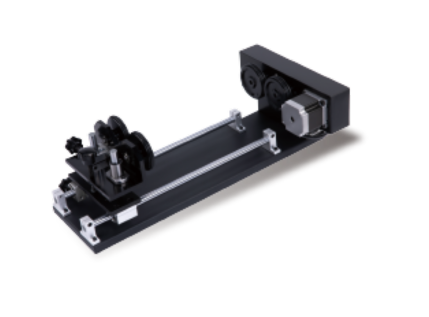
- Rotary attachment
- Computer and design software
- Initial material inventory
Professional Setup: $12,000 - $25,000+
- 100W+ industrial-grade laser
- Professional extraction system
- Multiple material types
- Backup equipment
- Comprehensive software suite

Ongoing Costs
Electricity:
- Varies significantly by state (QLD typically cheaper, SA more expensive)
- Average: $0.25-$0.35 per kWh
- A 60W laser running full-time costs roughly $5-8 per day in electricity
Materials:
- Timber: $20-200 per sheet depending on type
- Acrylic: $40-120 per sheet (3mm-6mm)
- Leather: $50-150 per hide
- MDF: $15-40 per sheet
Consumables:
- Replacement tubes: $500-$1,500 (every 2-3 years)
- Lenses and mirrors: $100-300 annually
- Air assist components: $50-150 annually
Insurance:
- Public liability: $500-1,000 annually
- Equipment insurance: $300-800 annually
- Essential for business operation
Revenue Potential: Real Australian Examples
Case Study 1: Melbourne Etsy Seller
- Products: Custom wedding signs, cutting boards
- Average sale price: $85 per item
- Material cost: $15 per item
- Production time: 30 minutes per item
- Weekly production: 15 items
- Weekly profit: $1,050
- Monthly income: ~$4,200
Case Study 2: Brisbane Signage Workshop
- Focus: Small business signage, promotional items
- Average project value: $450
- Material costs: $80 per project
- Production time: 2-3 hours
- Projects per week: 4-5
- Weekly profit: $1,480-$1,850
- Monthly income: ~$6,500
Case Study 3: Regional NSW Gift Shop
- Products: Tourist souvenirs, local landmark items
- Average retail price: $35
- Material cost: $8
- Daily sales: 8-12 items (tourist season)
- Monthly profit: $3,000-$5,000 (seasonal variation)
ROI Timeline
Best Case Scenario: 4-8 months
- Strong existing customer base
- High-demand niche
- Efficient production systems
- Good marketing
Typical Scenario: 8-15 months
- Building customer base gradually
- Learning curve on production
- Steady but not spectacular growth
Conservative Scenario: 15-24 months
- Part-time operation
- Limited marketing budget
- Competitive local market
- Seasonal variation
Australian Compliance and Safety Considerations
Workplace Health and Safety
Safe Work Australia Guidelines:
- Adequate ventilation is mandatory
- Proper signage required if operating in shared spaces
- Personal protective equipment (eye protection minimum)
- Fire safety equipment accessible
- Emergency procedures documented
Environmental Regulations
Fume Extraction:
- Must comply with local council regulations
- External venting may require council approval
- Consider neighbors in residential areas
- Activated carbon filters essential for some materials
Noise Considerations:
- Generally not an issue for laser engravers
- Extraction systems can be noisy
- Consider operating hours in residential zones
Business Registration and Tax
Australian Business Number (ABN):
- Essential for operating legally
- Required for GST registration if turnover exceeds $75,000
GST Considerations:
- Register when approaching threshold
- Factor into pricing from the start
- Quarterly BAS statements required
Insurance Requirements:
- Public liability essential if customers visit premises
- Product liability advisable for retail sales
- Professional indemnity for design work
Choosing Your Machine: Australian Supplier Considerations
Import vs Australian Stock
Importing Directly from China: Pros:
- Lower initial cost (save 30-50%)
- Direct communication with manufacturer
- Customisation options
Cons:
- No Australian warranty support
- Shipping delays (4-8 weeks typically)
- Customs and GST complications
- Voltage/plug conversion needed
- No local service technicians
Buying from Australian Distributors: Pros:
- Australian warranty and support
- Faster delivery (1-2 weeks)
- Local service technicians available
- Compliant with Australian standards
- Phone support during Aussie business hours
Cons:
- Higher upfront cost
- Limited model selection
- May still be Chinese-manufactured
Recommended Approach for Australian Buyers
- Research Phase: Study imported options to understand baseline costs
- Quote Comparison: Get quotes from Australian distributors
- Calculate Total Cost: Include shipping, GST, warranty value
- Assess Support Needs: How confident are you with self-maintenance?
- Make Informed Decision: Balance cost savings vs support benefits
General Recommendation: For your first laser, buying through an Australian distributor is usually worth the premium. You'll recoup the extra cost through reduced downtime and faster problem-solving.
Practical Setup Tips for Australian Conditions
Climate Considerations
Hot Australian Summers:
- Laser tubes need stable temperatures
- Air conditioning recommended for serious operations
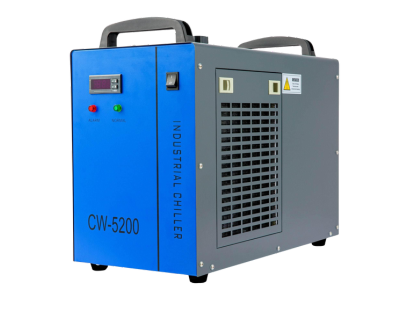
- Water chiller may be essential in northern Australia
- Monitor tube temperature in 35°C+ conditions
Humidity Management:
- Coastal areas: protect electronics from moisture
- Use dehumidifiers if operating near the coast
- Regular maintenance more critical in humid zones
Space Requirements
Minimum Workshop Size: 3m × 3m
- Allows for machine, materials, safety clearances
- Adequate ventilation pathway
- Storage for materials and finished products
Ideal Workshop Setup:
- Dedicated 4m × 4m space or larger
- Separate material storage area
- Ventilation ducting to exterior
- Fire extinguisher within reach
- Good lighting for quality control
- Comfortable working temperature
Ventilation Solutions
Budget Option: $500-$1,000
- Inline fan with ducting to exterior
- Basic carbon filter
- Suitable for occasional use
Professional Option: $1,500-$3,500
- Purpose-built laser fume extractor
- HEPA and activated carbon filtration
- Suitable for daily commercial operation
- Quieter operation
Top Products to Make and Sell in the Australian Market
High-Margin Products
Custom Wedding Items (Margin: 70-80%)
- Welcome signs: $85-$150 retail
- Table numbers: $8-$15 each
- Place cards: $3-$6 each
- Cake toppers: $45-$95
- Guest book alternatives: $95-$180
Personalised Homewares (Margin: 65-75%)
- Cutting boards: $65-$150
- Serving platters: $80-$180
- Coaster sets: $35-$65
- Key holders: $45-$85
- Wine racks: $95-$180
Business Signage (Margin: 60-70%)
- Shop signage: $250-$800
- Office door plates: $45-$95
- Directional signs: $85-$150
- Menu boards: $150-$350
Aussie-Specific Product Ideas
Indigenous-Inspired Designs (with proper permissions)
- Artwork collaborations with Indigenous artists
- Licensed reproduction rights
- Cultural sensitivity essential
- Premium pricing justified
Native Wildlife Themes
- Koala, kangaroo, wombat designs
- Native bird species
- Australian flora patterns
- Popular with tourists and locals
Beach and Coastal Items
- Surf-themed products
- Beach house signs
- Coastal decoration
- Year-round demand in coastal areas
Australiana Humor
- Slang-based products
- Quirky Australian references
- Popular for gifts and souvenirs
- Strong social media sharing potential
Marketing Your Laser Engraving Business in Australia
Online Presence
Essential Platforms:
- Made It: Australia's answer to Etsy
- Etsy: Global reach, popular locally
- Instagram: Visual showcase essential
- Facebook Marketplace: Local sales
- Google My Business: Local search visibility
Local Marketing Strategies
Market Stalls:
- Weekend markets excellent for brand building
- Meet customers face-to-face
- Immediate feedback on products
- Popular in all major cities
Wedding Expos:
- High concentration of target market
- Premium pricing accepted
- Book orders months in advance
- Melbourne, Sydney, Brisbane expos essential
Corporate Networking:
- Local business chambers
- Business expos
- LinkedIn presence
- Corporate gift market substantial
Pricing for the Australian Market
Consider:
- Australians expect quality at fair prices
- Don't undervalue your work
- Factor in all costs including your time
- Premium pricing justified with quality and service
- Offer package deals for wedding customers
Typical Markup:
- Materials cost × 3-5 for retail
- Materials cost × 2-3 for wholesale
- Custom design work charged separately
- Rush orders premium: 25-50% extra
Common Mistakes to Avoid
Buying Too Small Most businesses outgrow 300mm machines within 6 months if successful. Start with 500mm+ working area.
Underestimating Ventilation Needs Australian regulations require proper extraction. Don't cut corners—fines and health issues aren't worth it.
Ignoring Insurance One injury or property damage claim without insurance could bankrupt your business.
Poor Material Management Australian timber and supplies aren't cheap. Optimize cutting layouts to minimize waste.
Neglecting Marketing The machine doesn't sell products—you do. Allocate 10-20% of time to marketing.
Pricing Too Low Competing on price alone is unsustainable. Focus on quality, service, and uniqueness.
Final Recommendations: What's Right for Your Aussie Business
Starting Out (Side Hustle):
- 50W CO₂ laser, medium bed size
- Budget: $4,000-$6,000 all-in
- Work from home workshop
- Focus on high-margin items
- Test market demand before scaling
Established Small Business:
- 60-80W CO₂ laser, large bed
- Budget: $8,000-$12,000
- Dedicated workshop space
- Multiple product lines
- Regular customer base
Full-Time Commercial Operation:
- 100W+ CO₂ laser or multiple machines
- Budget: $15,000-$30,000+
- Commercial premises
- Staff or contractors
- Wholesale and retail channels
Conclusion: Your Path Forward
Laser engraving represents a genuine opportunity for Australian small businesses. The combination of strong local demand for personalised products, a supportive small business ecosystem, and accessible technology makes this an opportune time to enter the market.