












Top Custom Car Engraving Projects for Automotive Shops
A mate of mine up the road has been restoring a 1972 Chevy C10 for years—one of those long-term builds that slowly turns into something special. Last spring, he dropped off a billet aluminium valve cover, worth a few hundred dollars, and asked if I could engrave his initials along with his grandfather’s birth year. I set up the artwork in LightBurn, ran it on a fibre laser, and in under two minutes it was done. He stood there turning it in the sunlight for ages before saying, “That’s the most personal part on the whole ute.” That quick job turned into repeat work and referrals—something that’s pretty common once people see what laser engraving can do.

Across Australia, from Sydney performance workshops to smaller fabrication garages in regional areas, custom car engraving is becoming one of the most reliable high-margin add-ons. It transforms off-the-shelf parts into personalised components, adds real visual impact for car shows, and creates a steady revenue stream using equipment many workshops already have. In a market where differentiation matters—especially with the popularity of modified utes, 4WD builds, and classic restorations—engraving offers something customers are genuinely willing to pay for.

At its core, laser engraving uses a focused beam to remove material and create permanent marks on a surface. Unlike vinyl decals or painted graphics that can peel, fade under harsh UV exposure, or wear out over time, laser-engraved designs are built into the material itself. That permanence is particularly important in Australia, where intense sun, dust, and varying weather conditions can quickly degrade traditional finishes. A laser-engraved aluminium part will look just as sharp years down the track as it did on day one.

For many automotive businesses, the appeal isn’t just about aesthetics—it’s about profitability. Workshops that originally invest in a fibre laser for part marking or fabrication often find that custom engraving quickly becomes a more lucrative service. A simple logo or personalised design can be completed in minutes but sold at a premium, especially when tied to a full vehicle build. Customers picking up a finished project are far more likely to pay extra for those final personalised touches.

Under the bonnet is where engraving really stands out. Engine bays are a focal point at car meets and shows, and engraved parts naturally draw attention. Valve covers and cam covers are among the most popular items—typically aluminium or chrome-plated steel, both of which respond well to fibre lasers. Whether it’s a workshop logo, engine specs, or a custom design, these parts offer enough surface area for detailed, high-contrast engraving that holds up against heat and oil exposure.

Intake manifolds and engine covers are another strong category. Their larger, flatter surfaces make them ideal for bold branding or full-surface patterns. In Australia’s performance scene—particularly with LS swaps and turbo builds—these parts often become centrepieces, and engraving helps elevate the overall presentation. Similarly, components like battery boxes and coolant tanks, often relocated or upgraded in custom builds, can be turned into design features with quick, high-contrast markings on powder-coated aluminium.

Inside the vehicle, engraving takes on a more tactile role. These are the parts drivers interact with every day, which means they can command higher prices. Shift knobs, for example, are small but highly personal items. Whether made from aluminium, stainless steel, or even wood, they can be engraved with anything from gear patterns to custom logos. Door sill plates are another favourite, especially for show builds—engraved with names, build details, or completion dates, they add a premium feel every time someone steps into the vehicle.
Custom gauge faces and dash panels are particularly popular in older restorations and hot rod builds. Many Australian enthusiasts modernise classic cars with updated instrument clusters, and laser engraving allows for precise, professional-looking markings that simply aren’t achievable with traditional methods. The result is a clean, factory-quality finish that still feels completely custom.
Exterior engraving requires a bit more consideration due to exposure to sunlight, road grime, and regular washing, but it also offers some of the best opportunities for volume work. Wheel centre caps are a perfect example—they’re small, quick to engrave, and highly visible. At car meets and weekend events, they’re often one of the easiest items to sell on the spot. Fuel door covers and billet fuel caps are also popular, particularly in the 4WD and touring community, where owners like to personalise even the smallest details.
Beyond the car itself, engraving opens up an entirely separate revenue stream through accessories and merchandise. Items like keychains, number plate frames, build plaques, and garage signs can all be produced in-house with minimal material cost. In Australia, where car culture is closely tied to events, clubs, and community gatherings, these products sell well both online and at shows. They’re also ideal for branding—something workshops can use to build recognition beyond their immediate customer base.
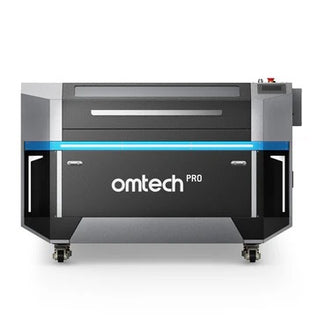
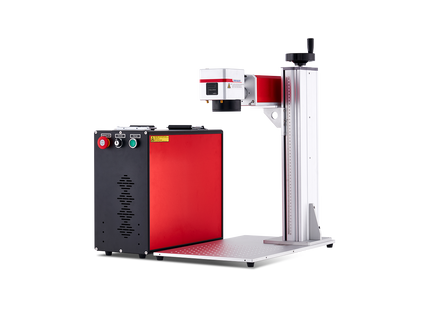
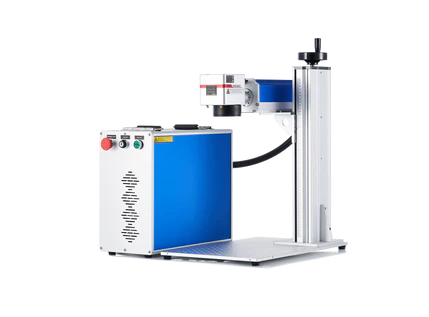
Choosing the right laser largely depends on the type of work a shop plans to focus on. Fibre lasers are the go-to for metal components, which make up the majority of automotive parts. They deliver fast, high-contrast results on aluminium, stainless steel, brass, and more. For workshops looking to expand into interior work—such as leather, acrylic, or wood trim—a CO2 laser complements the setup by covering non-metal materials. Many growing shops eventually run both systems to handle a wider range of customer requests.
Pricing is where this service really shines. Laser engraving has virtually no consumable costs, meaning most of the pricing is based on time, design complexity, and perceived value. A job that takes a few minutes can easily command a strong margin, especially when it’s tied to a larger build or a unique design. In Australia’s custom car scene, customers are often happy to pay for individuality—particularly when the result is something permanent and professionally finished.
Some workshops even take it a step further by bringing engraving setups to local car shows, markets, and automotive events. A compact fibre laser, a laptop, and a selection of sample products are enough to start generating on-the-spot sales. Between direct purchases and follow-up orders, it’s not uncommon for a single event to bring in significant revenue, while also acting as live marketing for the business.
Ultimately, custom car engraving isn’t just a niche service—it’s a practical, scalable way for automotive workshops to increase revenue while offering something genuinely valuable to their customers. In a country like Australia, where car culture is strong and personalisation is part of the scene, it fits naturally into the way people build, show, and enjoy their vehicles.