














How Laser Making Helped Jack Rediscover Meaning in Retirement

Retirement is often viewed as a time of rest, but for many people who spent their lives building, teaching, and solving problems, slowing down can feel disorienting. The structure disappears, the challenges fade, and suddenly the days feel quieter than expected. For Wisconsin retiree Jack Schindhelm, that silence became the catalyst for an unexpected new pursuit: laser engraving and hands-on making.
Jack’s professional life spanned 40 years. He spent nearly three decades teaching industrial technology and engineering, followed by 12 years as a patternmaker in the foundry industry. His work was never passive. He taught woodworking, metal fabrication, welding, CNC machining, printing, and other trade skills that demanded focus and creativity. When he retired in 2011, he welcomed the break and enjoyed stepping away from deadlines and lesson plans.
As time passed, however, Jack realized that rest alone wasn’t enough. What he missed most wasn’t the job itself, but the act of creating—of working through problems and turning ideas into tangible results. That realization led him to explore laser engraving.
Finding a New Creative Outlet
Jack’s introduction to laser engraving didn’t begin with the perfect setup. He started with hobby-grade CO₂ lasers, investing thousands of dollars as he experimented with the technology. Those early machines required patience, adjustment, and troubleshooting, but they also reawakened something familiar. Learning how different materials reacted, refining settings, and correcting mistakes reminded him of the hands-on teaching and machining work he had loved for decades.
Before long, Jack reached a conclusion many experienced makers eventually come to: equipment quality matters. He wanted a machine that was more powerful, more durable, and better suited for long-term use—something that would support creativity instead of interrupting it.
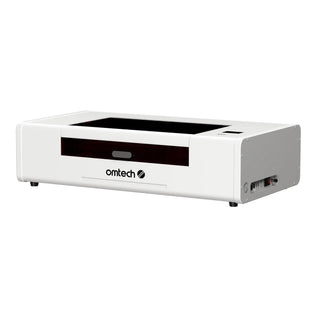
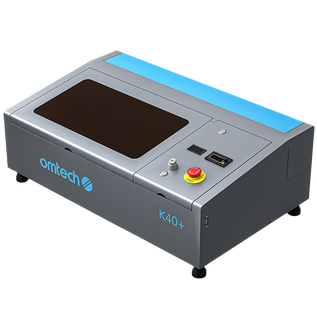
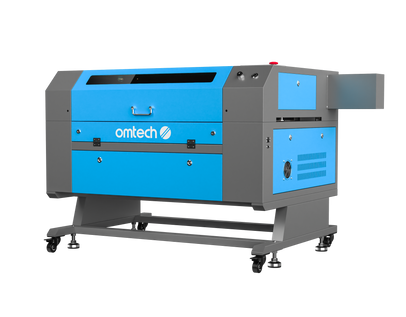
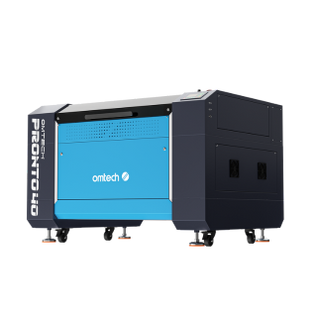
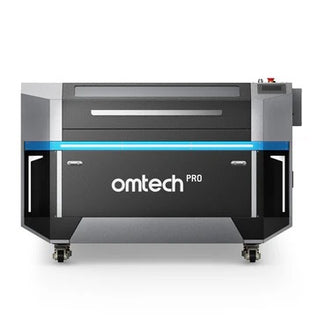
That search brought him to OMTech, where he ultimately purchased the MF1220-50R laser engraver. The difference was immediate. The solid construction, dependable performance, and accessible replacement parts meant fewer breakdowns and more time spent designing and producing. For Jack, that reliability was key—it allowed the process to feel rewarding rather than frustrating.
From Pastime to Purposeful Work

Laser engraving quickly became more than a way to pass the time. Jack began collecting reclaimed materials—scrap lumber, discarded furniture, old doors, shelving, and hardwoods like walnut, maple, oak, and cedar. His workshop evolved into a small production space where he created personalized plaques, engraved drinkware, LED acrylic displays, keychains, coasters, clocks, boxes, and custom gifts.
While many retirees turn creative hobbies into side businesses, Jack chose a different path. Through his nonprofit, Jackwood Creations, he donates all proceeds from his work to charitable organizations, including the Hearing Loss Association of America. For him, laser making became a way to contribute again—using his skills to help others and stay connected to his community.
The work restored something he hadn’t realized he lost: a sense of usefulness. Creating with intention, solving design challenges, and producing meaningful items gave his days structure and direction.
Staying Engaged Through Learning and Creation
Jack’s experience highlights why laser making is such a strong fit for retirement. It blends creative expression with technical thinking. Each project involves design decisions, material selection, machine calibration, and problem-solving—skills Jack had relied on throughout his career.
Just as important, laser engraving fostered connection. Jack enjoyed sharing his projects, answering questions, and helping others avoid common mistakes. Studies show that activities combining mental and physical engagement can support cognitive health, reduce stress, and improve overall satisfaction later in life. Laser making fits naturally into that category, offering constant opportunities to learn without becoming overwhelming.
Eventually, Jack became an OMTech Demo Room Host. Rather than focusing on sales, he used the role to teach, demonstrate techniques, and support newcomers—drawing on the same instructional instincts that guided him as a teacher.
Surprising Practical Benefits
One of the most unexpected aspects of laser making for Jack was how cost-effective it became. By working with reclaimed wood and affordable blanks—such as stone coasters, leather keychains, acrylic panels, and tumblers—he could produce polished, professional-looking items with very little material expense.
Those pieces became fundraiser items, recognition awards, gifts, and keepsakes throughout his local community. Retirement, once quiet, became productive and meaningful again—without pressure or obligation.
Why Laser Making Works After Retirement

Jack’s story reflects a broader truth. Laser engraving is a hobby that adapts to the individual. It can be calm or challenging, technical or artistic, solitary or social. For people who spent their careers working with tools, technology, design, or craftsmanship, it feels intuitive while still offering room to grow.
For beginners, it provides a manageable entry into modern fabrication. And for retirees, it offers something many don’t realize they’re missing until it’s gone: purpose.
Ready to Begin Your Own Creative Chapter?
If Jack’s journey feels familiar—whether you’re retired, transitioning into a new phase of life, or simply looking for a meaningful creative outlet—laser engraving offers a powerful way to stay active and engaged.
OMTech designs laser systems that support both first-time users and experienced makers, helping people start confidently and build projects they’re proud of. Explore OMTech laser engravers and see how OMTech can help you shape your next chapter with creativity, learning, and purpose.